Death and dying are part of every human life, yet they remain subjects many people find difficult to discuss.
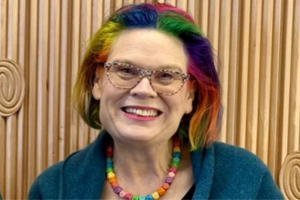
CANZ member Andi Harness believes opening up these conversations can give people greater knowledge, choice and dignity as they approach the end of life.
Andi, who works as The Rainbow Doula and The Rainbow Celebrant, recently spoke with Wellington City Libraries alongside fellow End of Life Doula Tony Burns about this emerging form of support.
She became a registered marriage and funeral celebrant in 2013, when marriage equality became law in Aotearoa New Zealand. Her path towards becoming a certified End of Life Doula was shaped by her celebrant work and her own experiences of grief, terminal illness and cancer.
Over the past 35 years, Andi has also sat in vigil at the bedsides of people nearing the end of their lives. Each experience, she told Wellington City Libraries, was profoundly transformative.
Her work as a funeral celebrant has placed her alongside people experiencing raw grief, shock, numbness and uncertainty. She has witnessed both beautiful experiences of death and situations where people’s needs, wishes or dignity were not upheld.
These experiences led her towards end of life doula work.
What does an End of Life Doula do?
An End of Life Doula provides non-medical, holistic support to a person and those close to them before, during and sometimes after their death.
The work may include helping someone with advance care planning, documenting their wishes, organising practical matters, working through a bucket list or simply providing companionship and a listening ear.
A doula may also give family members and other caregivers an opportunity to rest, spend time with the person during their final days and hours, or help with after-death body care when this has been requested.
The support is led by the person and their whānau or chosen family. Not every doula provides the same services and the role is not about prescribing what someone should do.
Instead, doulas provide information, ask thoughtful questions and help people consider the choices available to them.
“Death isn’t a medical event. It’s a personal event,” Andi told Wellington City Libraries.
She believes Western society has increasingly medicalised death and become disconnected from the knowledge and traditions that once made dying a more visible part of community life.
While medical professionals provide essential clinical care, an End of Life Doula can often spend more time focusing on the emotional, practical, cultural and spiritual needs of the person and those around them.
Where celebrancy and doula work meet
There are clear connections between the work of a celebrant and that of an End of Life Doula.
Both roles require compassion, warmth, resilience, integrity and an ability to listen without imposing personal views. Both involve meeting people during significant transitions and helping them feel heard, respected and supported.
Andi said her doula work aligned naturally with her role as a celebrant.
It can involve helping people think about where they would prefer to die, who they want beside them, how they would like their body to be cared for and what funeral, burial or cremation choices feel right for them.
These conversations may take place long before a person becomes seriously ill. Andi encourages people to consider and document their wishes at any stage of life.
Supporting Rainbow communities
Although Andi’s services are inclusive and open to everyone, she is particularly passionate about supporting LGBTTQIA+ people.
For members of Rainbow communities, end of life planning may include protecting the role of chosen family, ensuring a person’s identity is respected and making clear who should be involved in decisions and care.
Andi is especially concerned about transgender people being misgendered, disempowered or de-transitioned when they are no longer able to speak for themselves or after they have died.
She wants to help Rainbow communities understand their rights, document their wishes and put safeguards in place while they are well.
A commitment to professional standards
Andi completed training through Australian organisation Preparing the Way, which incorporates relevant Aotearoa legal information, as well as a 12-week course with United States-based organisation La Mort.
She said certification was only the beginning and ongoing learning and professional development were essential.
The End of Life Doula Alliance Aotearoa provides education, professional registration and standards for doulas working in New Zealand.
Andi drew a parallel between belonging to the alliance and membership of Celebrants Aotearoa. Professional associations help practitioners remain accountable, work ethically and continue developing their knowledge and skills.
As awareness grows, Andi hopes End of Life Doulas will become more widely recognised as part of the broader network supporting people and families through dying and death.
For celebrants, her work is also a reminder of the importance of listening, continuing our professional development and helping people create farewells that genuinely reflect their identity, relationships and wishes.
Dying Matters Week runs from 7 to 13 September and aims to improve death literacy and encourage more open conversations about dying, death and grief.
The full Wellington City Libraries interview provides further insight into the role of End of Life Doulas and the growing need for this work in Aotearoa.
[Original article and image: Wellington City Libraries]