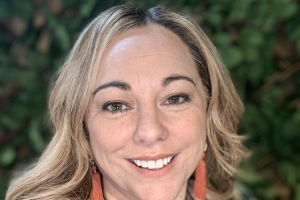
By Anna Flanagan
Every celebrant develops their own way of working. There is no single “right” approach, but sometimes it can be helpful to see how another celebrant structures their business, systems and client journey.
This is a snapshot of how I currently run my celebrancy business.
My Philosophy
I see celebrancy as both a profession and a business.
My goal is to create a wonderful experience for couples while also running a business that is sustainable, organised and enjoyable to operate.
That means I invest time in systems, communication and client experience, not just ceremony writing.
Initial Enquiries
Most enquiries come through my website.
I use an online booking system that allows couples to schedule an initial consultation at a time that suits them. This removes the back-and-forth of arranging appointments and means enquiries are responded to quickly, even when I am busy.
The first meeting is generally held by video call, which allows me to work with couples throughout New Zealand.
Client Management
I use a CRM (Customer Relationship Management) system to track every enquiry from first contact through to the wedding day.
The system records:
– Enquiry details
– Meeting notes
– Key wedding information
– Task reminders
– Communication history
– Invoices and payment status
My CRM is a custom system I built myself using Airtable and Make. I don’t recommend that everyone build their own. The important thing is not the specific software but having a system that allows you to manage enquiries, bookings and client communication in a consistent way.
Many of the routine administrative tasks are automated, including sending questionnaires, reminders and invoices. This saves time, reduces manual administration and helps ensure nothing falls through the cracks.
Whether you use spreadsheets, a commercial CRM or a custom-built solution, having a central place for client information is one of the most valuable investments you can make in your business.
Packages and Pricing
I publish my pricing on my website.
I know some celebrants prefer not to do this, but for me it has several benefits.
Firstly, it provides transparency. Couples can quickly determine whether my services fit within their budget before making contact.
Secondly, it helps qualify enquiries. In sales and marketing, a “qualified lead” is someone who is a realistic fit for your service. By displaying my pricing upfront, most couples who enquire already understand my pricing structure and have decided it aligns with the type of ceremony they are looking for.
Finally, it reduces time spent responding to enquiries from people who are simply price shopping or comparing multiple celebrants solely on cost.
I have found that publishing my pricing results in more meaningful enquiries and more productive initial conversations.
I also offer clearly defined ceremony packages. This helps couples understand what is included and allows me to communicate my value confidently.
The Client Journey
Once booked, couples move through a structured process.
This includes:
– Initial consultation
– Questionnaires and information gathering
– Ceremony planning meetings
– Ceremony drafting and refinement
– Legal paperwork
– Rehearsal (where applicable)
– Ceremony delivery
I aim to make each stage clear and easy for couples to navigate.
Ceremony Development
I build ceremonies around the couple’s story, values and personalities. Questionnaires provide the foundation, but conversations often reveal the details that create the most meaningful moments.
I generally do not provide full ceremony drafts to couples in advance. Instead, I gather feedback throughout the process and deliver the completed ceremony on the day.
What I Automate
Some of the tasks I currently automate include:
– Sending deposit invoices
– Tracking invoice payments
– Sending questionnaires at the appropriate stage
– Reminder emails throughout the planning process
– Updating booking statuses
– Administrative follow-up tasks
Automation doesn’t replace the personal relationship with my couples. It simply removes repetitive administration so I can spend more time doing the work that only I can do.
Technology and Digital Tools
The tools I currently use include:
– Website (Wix)
– Online booking system (Calendly)
– Video conferencing (Google Meet)
– Customer Relationship Management (Custom Airtable CRM)
– Cloud document storage (Google Drive)
– Accounting software (Xero)
– Automation tools (Make.com)
– Design and marketing tools (Canva)
– Email and business productivity tools (Microsoft)
The goal is not to use technology for its own sake, but to reduce administration, improve consistency and create a smoother client experience.
Many of these tools have free or low-cost alternatives, and I believe the best technology is the technology you will actually use.
Professional Development
I believe celebrants have a responsibility to continue learning.
Each year I invest in:
– Professional development
– Industry networking
– Cultural learning
– Business development
– Technology skills
The celebrancy profession continues to evolve, and ongoing education helps us better serve our communities.
What Has Made the Biggest Difference?
Three things have had the greatest impact on my business:
– Creating systems instead of relying on memory.
– Automating repetitive administrative tasks.
– Viewing celebrancy as a professional service that deserves the same business discipline as any other profession.
The result is more time spent with clients, less time spent on administration, and a more sustainable business overall.
Every celebrant will find their own way of working. This is simply one example of how a celebrancy business can be structured. Take what is useful, leave what isn’t, and build a business that works for you and the people you serve!