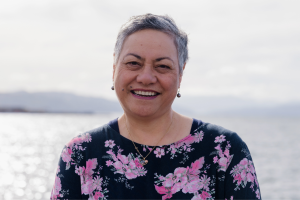
By Wendy Eynon
Matariki and the Celebrant’s Role
“Matariki kāinga kore e ngaro.”
“At Matariki, homes will not be lost.”
This whakataukī emphasises the importance of connection, belonging, and community during this time.
Midwinter is the time when across Aotearoa the star Matariki (Pleiades or Seven Sisters) rises in the pre-dawn sky, marking the beginning of Te Tau Hou Māori (the Māori New Year).
In Taranaki where I reside, Whanganui, parts of Te Waipounamu and the Far North, it is not the lower residing Matariki star but Puanga (Rigel) that can be seen in our skies. It is thought this is because Puanga is bigger and brighter and sits higher than Matariki, which is a cluster of stars. There is also a belief that our Maunga (Mountain) Mt Taranaki, blocks the view of Matariki. The rising of these stars signifies a new cycle and new beginnings.
This annual phenomenon parallels and mirrors the events that take place in our own human journey and life. As celebrants and ceremonial practitioners, we work within these same cycles, guiding people through significant moments of transition, remembrance, growth, and renewal. Ritual and rite of passage sit at the heart of what we do.
One of the central themes of Puanga is remembrance and connection — honouring loved ones who have passed during the year and acknowledging their journey beyond this world. It is a time to farewell those who have gone before us, to celebrate those who are with us now, and to gather as whānau, friends, and communities to welcome a new year together.
This aligns closely with our work as celebrants, facilitating funerals, memorials, and opportunities for whānau and communities to gather, grieve, remember, and celebrate lives lived.
Puanga is also a time of preparation and renewal. Traditionally, it marked the season for preparing the ground and sowing for future growth. It is a time for new planning and revising one’s goals and intentions. In much the same way, celebrants support new beginnings through naming, weddings, commitment ceremonies, and even separation rituals that respectfully acknowledge an ending while creating space for new beginnings.
The role of a celebrant can be compared to that of a traditional navigator. Just as our tūpuna looked to Puanga to guide them through the seasons ahead, celebrants help people navigate the significant seasons of their lives, marking transitions with meaning, intention, and care.
As Puanga celebrations take place throughout our communities, I encourage you to take a moment to reflect, renew, and refresh your own goals in life. Take time to remember those whom you have supported in your role as a celebrant, and those loved ones in your own life who have journeyed on. Offer their names to the stars and wish them peace on their continuing journey.
For those whose ceremonies have celebrated love, commitment, reconciliation, or new beginnings, hold them in your thoughts as well. Lift them to Puanga and wish them growth, abundance, hope and prosperity for the year ahead.
Mānawatia a Puanga – Mānawatia a Matariki
Celebrate Puanga – Celebrate Matariki
Ngā manaakitanga
Wendy Eynon (JP) – Celebrant – South Taranaki
Ngāruahine, Ngā Rauru, Te Whānau ā Apanui, Te Whakatōhea, Ngāti Porou
NE Liaison – Taranaki, Whanganui-Manawatū